


Hello,
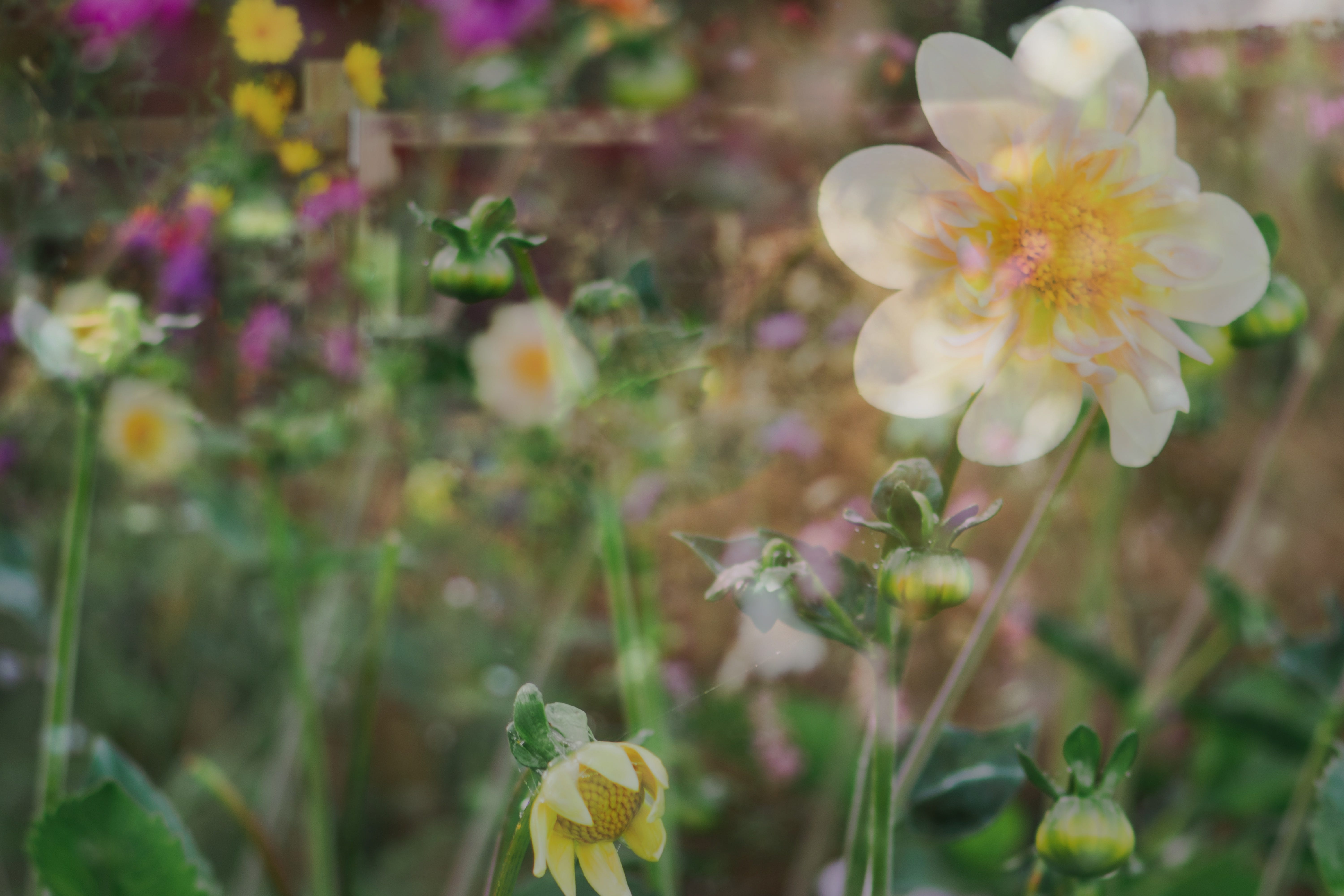
It is Saturday evening and we are outside having a BBQ, the second for the year. The smell and taste of bbq lingers mixed with the odd waft of honey from the hives. For a brief moment it feels like summer. After dinner I stay outside to read but my reading is interrupted as my eye darts. I end up watching bumble bees zoom - they really do look like mini helicopters. One circles past and lands on a dahlia seedling I grew from Susie Ripley’s ‘susie’ collection. It is a single bloom almost butter in colour, a keeper for sure. Another sentence read and I hear the familiar and distracting chirp of pīwakawaka. They are back in the garden. Earlier in the day we saw a cluster of 6 flying round. I couldn’t stop myself from saying hello and welcome to the garden. I realise I am becoming that kinda of person…. to be honest I don’t really mind.
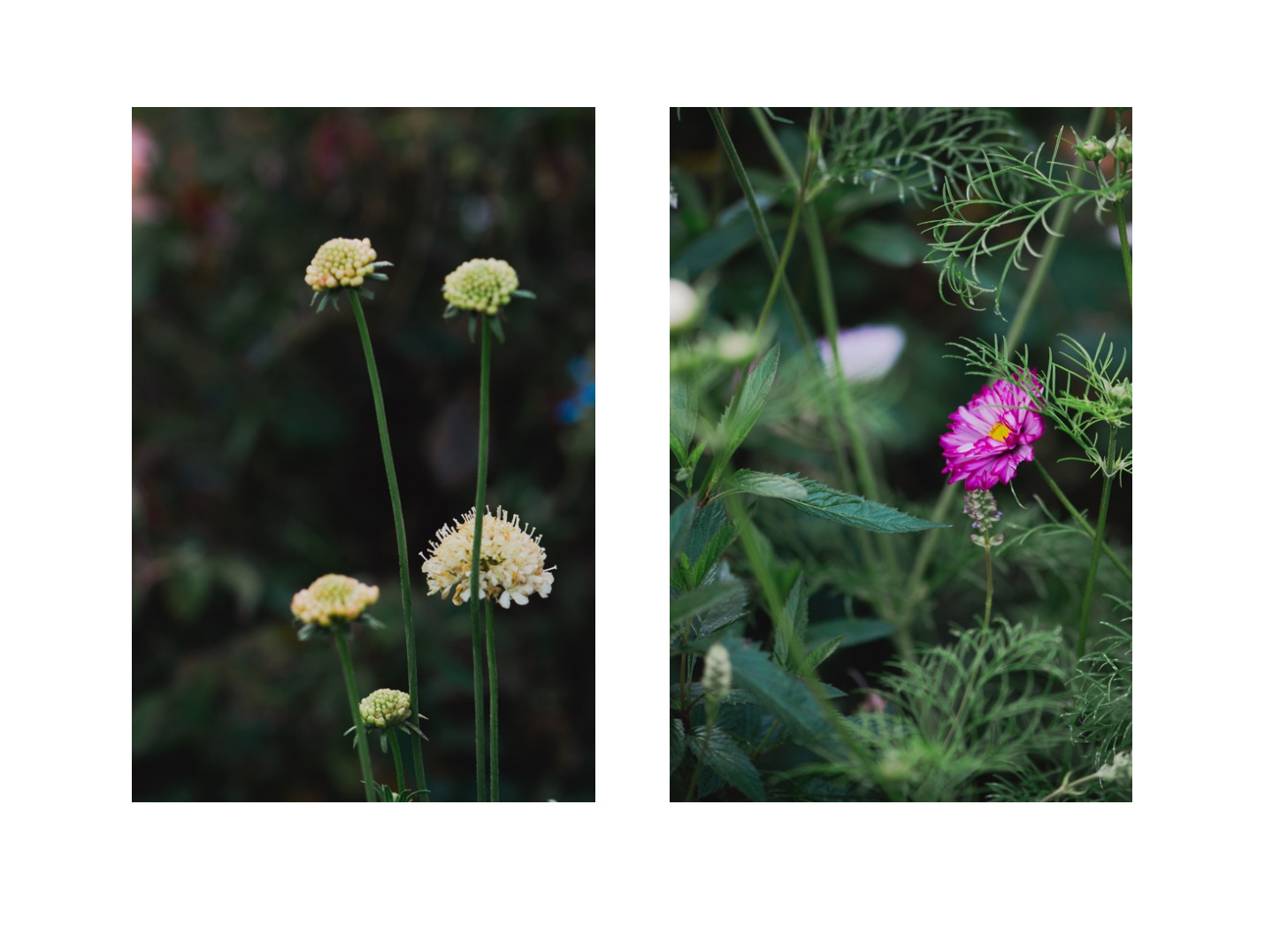
Birds are such a feature of my garden. In my poetry class with Mary Walker (she has a nature poetry session starting soon) I commented on I how I feel like the garden has a heart beat and I love to stand it and feel that heart beat move with me. Sounds odd, but to me the garden is very much a living thing with birds being a vital part of that fluttering motion. They are busy at the moment, eating the elder flower berries. There are apples that been nibbled down to the core and I’ve watched little sparrows and finches delicately munch on seed heads and insects on what I view as the thinnest of branches. They must weigh nothing, like a minute.
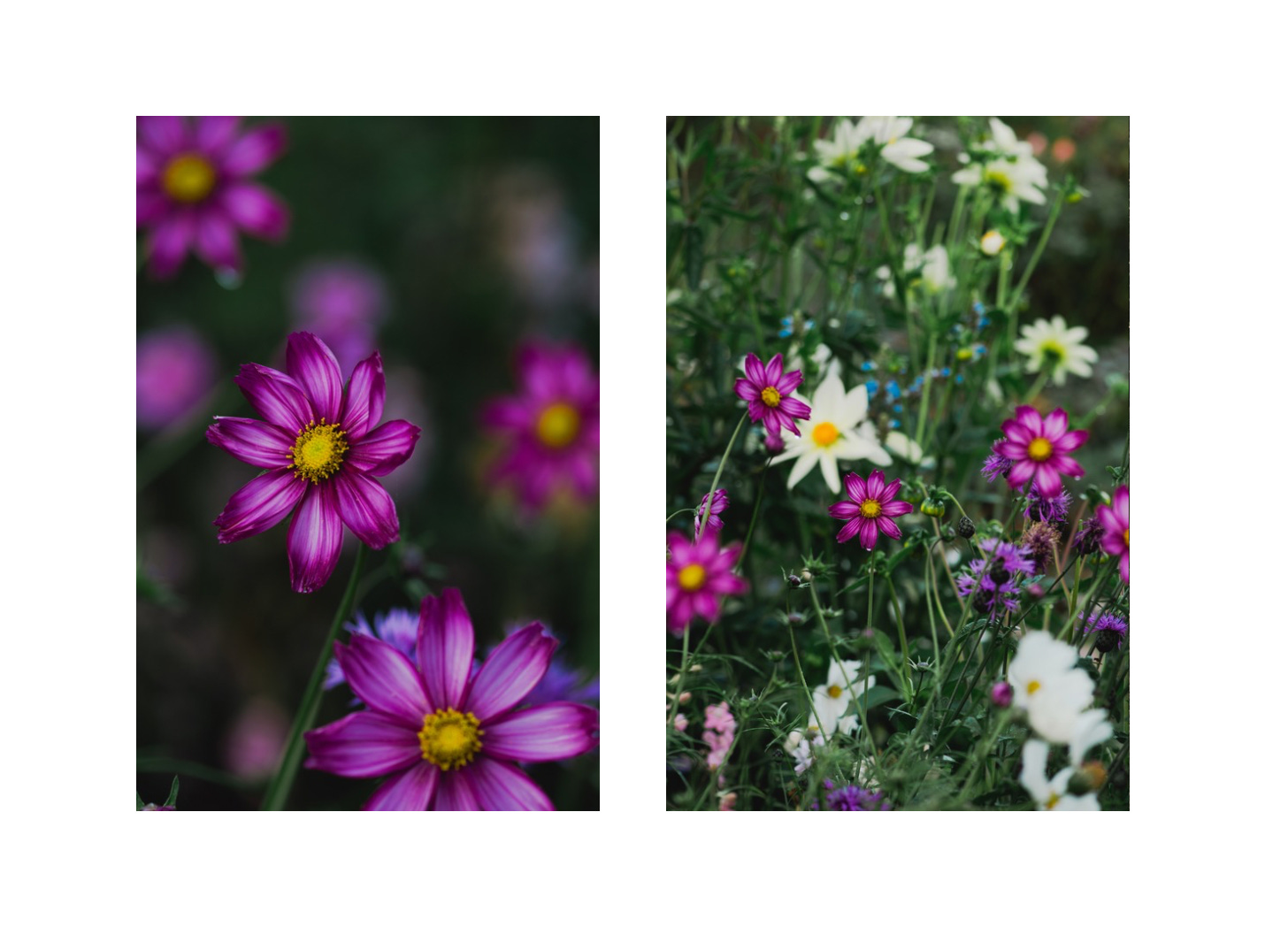
The garden is starting to mature. My inexperience as a first time gardener is starting to give way to someone with a bit of knowledge, or at least appreciate of what to do and what not to, although I must admit there is still much to learn. When I look at the garden, the tangled tapestry of it all, I am trying to think how do I explain how to replicate the interweaving of plants and shrubs and I realise you don’t. I know what I see this summer and what will appear next and what it was last year are all different. The climate in each season will mean somethings will shine while others won’t. I learnt this summer that echinacea for me need to be treated like an annual as only one plant flowers this year, all the others have faded.
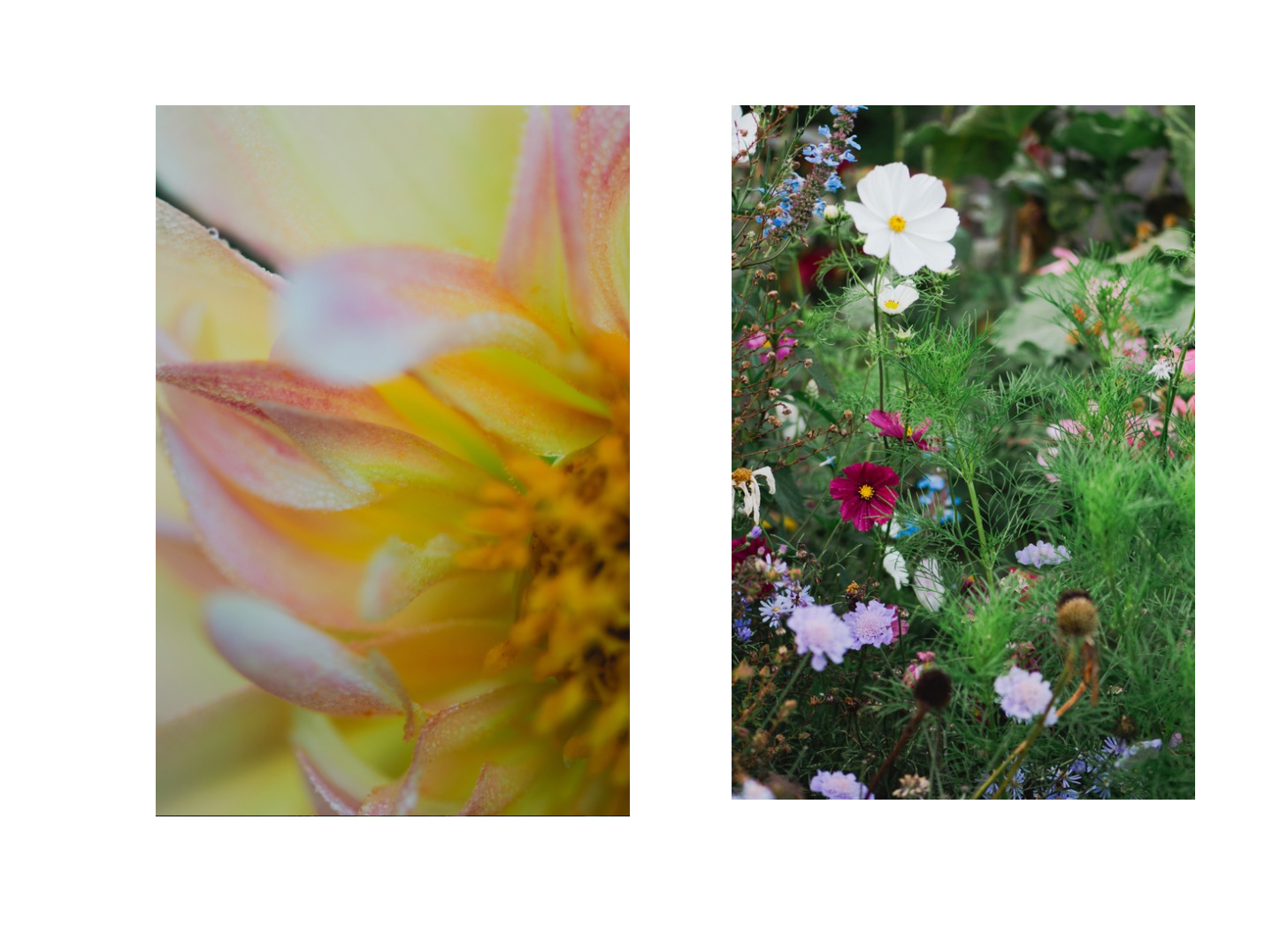
As I think about how to articulate how I got here. I realise the foundations that I created and continually work on are what have made my garden with a heartbeat.
Here are a few of my foundation points:
Get to know your soil. For me there two things to think about here:
First, weed. Weeding the garden I reckon is the best way to get to know your soil. Lots of people do tests and if that is the way you roll, go for it. I failed 6th form science so I roll in a more tactile way. Weeding the garden is something you either love or hate and I must admit I do find it rather therapeutic. For me it is a great time for the mind to wander and let go of aching thoughts. I did some weeding over the weekend and learnt that the soil is super dry so that reminded me that while I am keen to fill in gaps that I have in the garden maybe I should sit tight before I start planting.
Second, understand that your garden can be made up of different types of soil and plant accordingly. I live on a slopping section which means the soil at the top around the house is dry while the soil that is at the bottom is in the shade of the house below us, is not. The soil by one fence is clay the opposite side less so. It is good to know this and to remember not to treat the soil all the same - this is important when it comes to planting. It does mean you can create different moods and stories in the garden which is lots of fun.
Put some thought into your principles when it comes chemical treatments in the garden. I decided early on that my garden was going to support pollinators and that meant I needed to decide what chemical treatments I would use in the garden. Because I bee keep I see how vulnerable hives can be to changes around them whether that is natural or chemical. So I decided that I won’t use chemicals in the garden. For me this means no weed killers, no sprays for roses. I just let it be. This does mean I have issues. Bind wind drives me crazy. I manual remove it along with other weeds that get bossy when I can. My rule with plants and weeds if you get bossy you are out - I believe in a garden of kindness. I feed the roses but don’t spray so they do end up looking a bit rough by the end of the summer, but hey who doesn’t. I did have a bit period when thinks insect wise where a bit more in the favour of the insects but the last few years have seen things settle to a point that I don’t have issues. The birds and other beneficial insects manage things and I let nature do it’s thing which to me is the best kind of ecosystem you can create in your garden.
Back to soil. I feed the soil. This I think is the best way to have healthy plants. Healthy plants means health insects that are beneficial to your garden and birds as well. Each Spring and Autumn I put a layer of compost (usually my own if I can) plus a layer of pea straw. The pea straw acts as a weed suppressor. Birds can move the pea straw around but I view it as a shared space and they usually do this when hunting out food, so for the most part I am ok with tidying up after them. I have a worm farm so when I plant and I usually put a bit of that in the with the plant as I plant them out. The soil isn’t fabulous but it is getting better.
Hope these thoughts are helpful.
Much love
Mel